
Damp
Damp proofing: fix the cause, not the symptom
Remedial damp proofing specified from evidence — the mechanism established first, then the right work for that wall, at the extent the findings support.
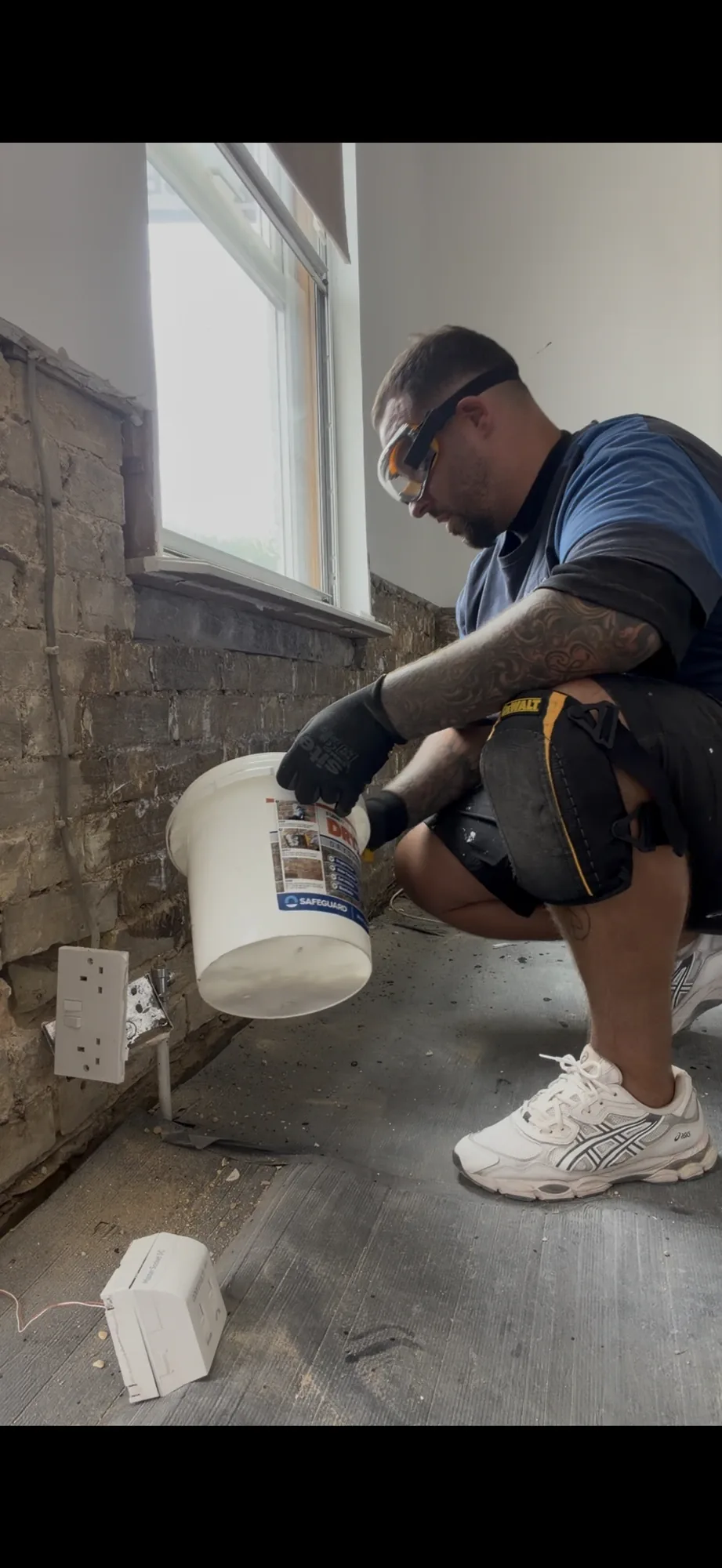
Diagnosis first
Damp proofing is not one treatment
"Damp proofing" is used as though it described a single product applied to a single problem. It does not. A wall can be wet for a dozen different reasons, and the correct remedial work is decided by which of those reasons actually applies to your wall.
Injecting a damp-proof course into a wall that is wet because a downpipe discharges against it will not dry the wall. Replastering a wall that is cold and condensing will not stop the mould returning. The work has to follow the mechanism, and the mechanism has to be established on evidence.
The moisture mechanisms we investigate before recommending any remedial specification:
Rainwater penetration through masonry, render or pointing
Defective or discharging rainwater goods
Roof, chimney, flashing and flaunching defects
Water entering around windows, doors and failed sealants
External ground or paving levels above the damp-proof course
A damp-proof course that is absent, breached or bridged
Internal render, screed or debris bridging the damp-proof course
Capillary rise through porous masonry where the evidence supports it
Plumbing and heating leaks, including pipework within floors
Surface and interstitial condensation on cold construction
Hygroscopic salt contamination holding moisture in plaster
Water ingress into below-ground and partially below-ground structures
Fix the cause, not the symptom. That is not a slogan, it is the reason our surveys come before our quotations: a specification written without a diagnosis is guesswork that the property owner pays for twice.
What the issue is
Damp proofing describes any work intended to stop moisture reaching, or remaining in, the fabric of a building. That covers remedial damp-proof courses, localised below-ground damp protection, external repairs, drainage corrections, damp-resistant plastering and condensation control — which is why the phrase means very little until somebody has established what is making your wall wet.
Common symptoms
- Damp patches, staining or tide marks on internal walls
- Blown, crumbling or hollow-sounding plaster
- Peeling paint, lifting wallpaper or salting on the surface
- A persistent musty smell in a room or cupboard
- Mould on walls, ceilings, window reveals or behind furniture
- Decayed skirting boards, joinery or floor timbers
Likely contributing factors
- Age and construction of the property, particularly solid masonry walls
- External ground, path or patio levels raised over the years
- Deferred maintenance to pointing, render, roofs and rainwater goods
- Impermeable modern finishes applied to traditionally built walls
- Heating and ventilation patterns in the occupied property
- Previous remedial work carried out without a diagnosis
Conditions that may be mistaken for it
- Rising damp, where the pattern is actually rainwater penetration at low level
- Penetrating damp, where the moisture is condensation on a cold wall
- Condensation, where a concealed plumbing leak is feeding the wall
- Failed damp proofing, where salt-contaminated plaster was never replaced
How the issue should be investigated
- Establish the construction of the wall and the floor arrangement
- Profile moisture across and up the affected area
- Record air temperature, relative humidity and surface temperatures
- Inspect external elevations, rainwater goods, openings and ground levels
- Check for bridging of any existing damp-proof course
- Consider salt contamination, plaster condition and previous treatments
Potential treatment or repair options
- Correcting external ground levels, paving and drainage
- Repairing pointing, render, rainwater goods, roofs and flashings
- Removing internal or external bridging at the damp-proof course
- Remedial damp-proof course where capillary rise is confirmed
- Damp-resistant plastering or membrane lining where plaster is contaminated
- Localised below-ground damp protection where remediation calls for it
- Condensation control through heating, airflow and surface temperature
When treatment may not be appropriate
- Where a simple external repair will stop the water reaching the wall
- Where the moisture is condensation and the wall needs warming, not treating
- Where readings and distribution do not support capillary rise
- Where plaster is sound and only redecoration is affected
Factors affecting the cost
- The mechanism involved and the extent of wall affected
- Whether plaster removal and replastering forms part of the work
- Access, scaffolding and external works
- Skirting, radiator and fitted furniture removal
- Waste disposal and working in an occupied property
What to expect during an inspection
A surveyor attends with calibrated instruments, inspects inside and outside, records the construction and the moisture distribution, and explains what is being found during the visit. A written report follows with the findings, the reasoning and the recommended work, so you can act on it whether or not we carry out the repairs.
How we work
How we decide what damp proofing your property actually needs
Every remedial specification we issue follows the same order. It is deliberately dull, because the mistakes in this trade are nearly always caused by skipping a stage.
- 1
Investigate before specifying
A surveyor attends, records the construction of the wall, the floor type, the external ground levels and the condition of the fabric outside, then profiles moisture through the affected area and records the internal environment.
- Wall construction and floor type established
- Moisture profiled at low, mid and high level
- Air temperature, relative humidity and surface temperatures recorded
- External elevations, rainwater goods and ground levels inspected
- Photographic evidence taken as we go
- 2
Identify the mechanism
The readings are interpreted alongside the building itself: where the moisture sits, how it is distributed, what the construction allows, what the weather has been doing and which defects are present. Competing explanations are ruled out rather than ignored.
Where the evidence does not support a diagnosis, we say so and tell you what further investigation would settle it — including opening up, monitoring over time or a plumbing pressure test. - 3
Remove the cause
Where a defect is putting water into the wall, that defect is corrected first. Lowering ground levels, repointing an elevation, clearing or replacing rainwater goods, repairing a leak or removing internal bridging is often the whole job.
- External repairs and drainage corrections
- Bridging removed at the damp-proof course
- Leaks repaired and verified
- Ventilation and heating advice where the mechanism is condensation
- 4
Specify remedial damp proofing where it is genuinely needed
Where the wall's own protection has failed — a breached damp-proof course, a below-ground wall whose own protection has failed, salt-contaminated plaster — we specify the appropriate system for that wall, at the extent the evidence supports.
- Remedial damp-proof course where capillary rise is confirmed
- Damp-resistant plastering or membrane lining where plaster is contaminated
- Localised below-ground damp protection where remediation calls for it
- Insulation and surface-temperature improvement where condensation is the cause
- 5
Allow the wall to dry, then reinstate
Masonry dries slowly, roughly 25mm of wall thickness a month in good conditions, and reinstatement that traps moisture behind an impermeable finish creates the next problem. We set out the drying period and the decoration advice in writing.
Redecorating too early is the single most common reason a completed job looks like a failed one.
Two ways to buy damp proofing
Symptom-led work against cause-led work
The difference is not the price of the materials. It is whether anybody established why the wall was wet before the work was priced.
Symptom-led
The wall is wet, so the wall is treated.
- A meter reading is taken and a chemical course is quoted
- The same specification is used on every property
- External defects are not inspected or are inspected briefly
- The internal environment is not measured at all
- Plaster is removed and replaced with the cause still active
- The damp returns, and the guarantee is tested rather than the diagnosis
Cause-led
The mechanism is established, then the work is specified for it.
- Moisture profiled and the distribution pattern interpreted
- Construction, floor type and ground levels recorded
- External fabric, rainwater goods and openings inspected
- Humidity, dew point and surface temperatures measured where relevant
- Competing explanations ruled out before a diagnosis is offered
- Work specified to the extent the evidence supports, and no further
We carry out remedial work as well as inspections, so we are not commercially detached from what we recommend. That is exactly why our findings are written down, photographed and reasoned: you can see what the recommendation rests on, take it elsewhere, or decline the work and keep the report.
Related work
Where damp proofing work leads next
Damp surveys and moisture investigations
What a professional damp investigation covers, what the instruments can and cannot establish, and what your written report contains.
Rising damp assessments
Capillary moisture, damp-proof courses, bridging and salt contamination assessed on the evidence rather than a meter reading.
Penetrating damp investigations
Rainwater and external defects traced to the elevation, opening or rainwater fitting responsible.
Condensation control
Humidity, dew point and surface temperatures measured before any equipment or insulation is recommended.
External damp-related repairs
Pointing, render, rainwater goods and ground levels put right so water stops reaching the wall.
Damp-resistant plastering
Reinstatement in the right materials once the cause has been dealt with and the wall has begun to dry.
Where we work
Damp proofing across Bedfordshire, Northamptonshire and Cambridgeshire
Damp proofing is carried out across our operating area. Choose your county or town to see the work we do locally, the postcode districts we cover and how to arrange an inspection.
Frequently asked questions
Find out what is actually making the wall wet
A damp survey records the evidence, names the likely cause and sets out the work that follows from it — in writing, with photographs.
If the answer is a £90 downpipe repair rather than a damp-proof course, that is what the report will say.